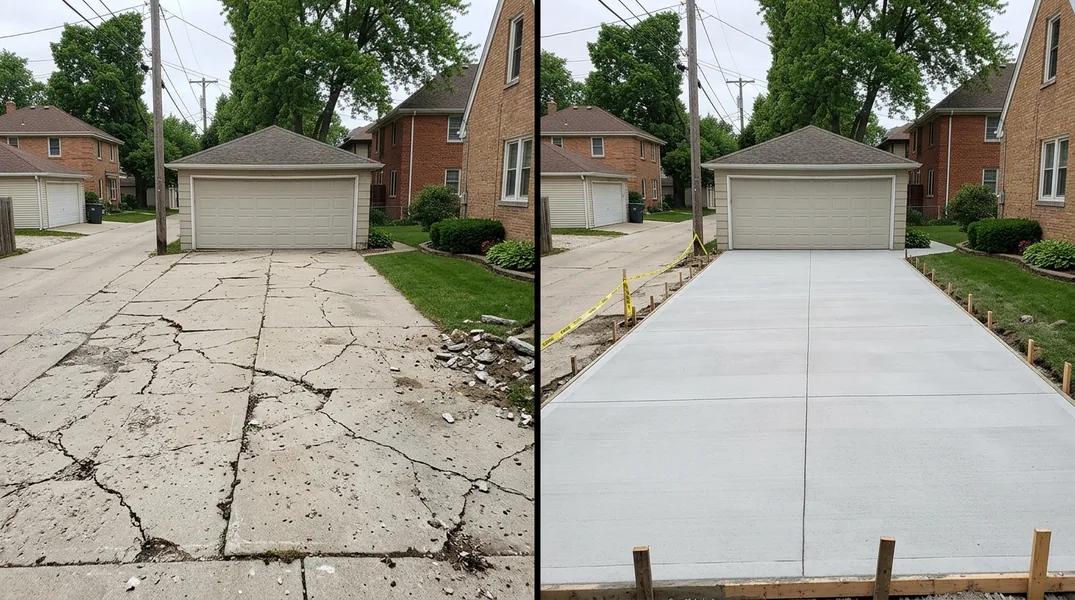
Understanding Concrete Pouring Season in Milwaukee
If you're planning a Concrete Driveways project in Milwaukee, timing is everything. Many homeowners assume they can pour concrete any time of year, but Wisconsin's challenging climate makes season selection critical for long-term durability and quality results. When to pour concrete Wisconsin is a question we hear frequently at Milwaukee Concrete, and the answer depends on understanding how temperature, moisture, and freeze-thaw cycles affect the curing process.
Concrete doesn't simply harden like cement in a bag. It cures through a chemical process that requires specific temperature and moisture conditions. Pour concrete too early in spring when frost is still possible, and you risk surface damage. Wait too long into fall, and you might face early freezes before your slab reaches full strength. The concrete pouring season Milwaukee contractors recommend typically falls within a narrower window than many homeowners expect, and understanding this window can save you thousands in repairs down the road.
Spring and Summer: The Ideal Window for Concrete Work
Late spring through early fall represents the optimal concrete curing cold weather avoidance period in Wisconsin. Specifically, most Concrete Repair & Resurfacing and new installation projects should begin between mid-May and mid-September. During these months, daytime temperatures consistently stay above 50 degrees Fahrenheit, and nighttime lows remain mild enough to support proper concrete hydration. This extended window gives your concrete the best possible conditions to reach its design strength before winter arrives.
Why does this matter? Concrete gains strength most rapidly during the first 28 days of curing. If you pour during this ideal window, your slab will reach approximately 90 percent of its full strength before temperatures drop significantly. In Wauwatosa and throughout the Milwaukee area, June through August are particularly favorable months. The consistent warm temperatures, lower humidity variations, and reduced risk of unexpected frost make summer the gold standard for concrete projects. Additionally, longer daylight hours mean contractors can work longer shifts and complete projects more efficiently.
Why Fall and Winter Pouring Requires Extra Caution
Once September fades into October, concrete contractors in Milwaukee face increasing challenges. Nighttime temperatures begin dropping below 50 degrees Fahrenheit with greater frequency, and the risk of frost becomes real. Concrete curing cold weather conditions in late fall and winter create what's known as the freeze-thaw cycle problem. When freshly poured concrete is exposed to freezing temperatures before it fully cures, water trapped in the concrete expands as it freezes, causing surface spalling, cracking, and premature deterioration that can compromise your entire investment.
The situation becomes especially problematic from November through March. Not only are temperatures consistently cold, but Milwaukee's winter precipitation adds moisture that interferes with proper curing. If you absolutely must pour concrete during colder months, specialized techniques become necessary. Contractors use heated enclosures, insulating blankets, and concrete additives to extend the curing window, but these measures significantly increase project pricing. Many homeowners find that waiting until spring proves more economical than paying premium rates for cold-weather concrete work.
How Concrete Curing Cold Weather Affects Your Project Timeline
Understanding concrete curing cold weather dynamics helps explain why Milwaukee Concrete and other local contractors emphasize seasonal planning. When temperatures drop below 50 degrees Fahrenheit, the hydration process slows dramatically. At 40 degrees, concrete cures at roughly half the rate it does at 70 degrees. At freezing temperatures, curing essentially stops. This means a project poured in October might take twice as long to reach usable strength compared to one poured in June, assuming no protective measures are taken.
For homeowners in Greenfield and surrounding areas, this timeline extension has real consequences. If you pour concrete in late fall and encounter an early freeze, you might need to wait until spring before you can safely use your driveway or patio. Projects requiring Concrete Patios or other decorative work become particularly problematic, as decorative finishes often cannot be applied until the base concrete reaches full strength. Planning your project for optimal weather conditions ensures you'll have a finished, usable surface when you need it.
Specialty Concrete Work and Seasonal Considerations
If you're considering Stamped & Decorative Concrete, seasonal timing becomes even more critical. Decorative finishes require additional curing time and specific moisture conditions. Stamping patterns, staining, and sealing all work best when the base concrete has fully cured in ideal conditions. Attempting these finishes on concrete that cured in cold, wet conditions often results in poor color development, uneven appearance, and reduced durability. The best results come from projects completed during Milwaukee's warm season when every step of the process benefits from optimal weather.
Even straightforward projects benefit from summer timing. Concrete contractors can work faster, apply finishes more effectively, and achieve superior results when weather cooperates. If you're planning any concrete work in the Milwaukee area, discussing your timeline with an experienced contractor helps ensure your project succeeds. The difference between spring pouring and winter pouring can be the difference between a durable surface that lasts decades and one that requires costly repairs within a few years.
Planning Your Milwaukee Concrete Project: Next Steps
If you're considering concrete work for your home or business, now is the time to plan strategically. Contact Milwaukee Concrete at (414) 310-1221 to discuss your project timeline and receive a free estimate. Our team understands the unique challenges of Wisconsin's climate and can help you determine whether your project should proceed this season or wait for optimal conditions next year.
Scheduling your concrete work during the ideal pouring season means investing in quality and longevity. Whether you need Concrete Driveways, patios, or decorative finishes, timing your project correctly ensures superior results and better long-term value. Don't let seasonal confusion delay your project or result in costly mistakes. Reach out to Milwaukee Concrete today and let our experienced team guide you through the planning process. We're here to help you make the best decision for your concrete needs.
Looking for a professional tree service in Milwaukee? Milwaukee Concrete responds fast for all your concrete needs.
Get a Free QuoteOur services: Concrete Driveways · Concrete Patios · Stamped & Decorative Concrete